Field notes / 4 min read
Where the coast slows down
A quiet exercise in finding a frame before reaching for the shutter.
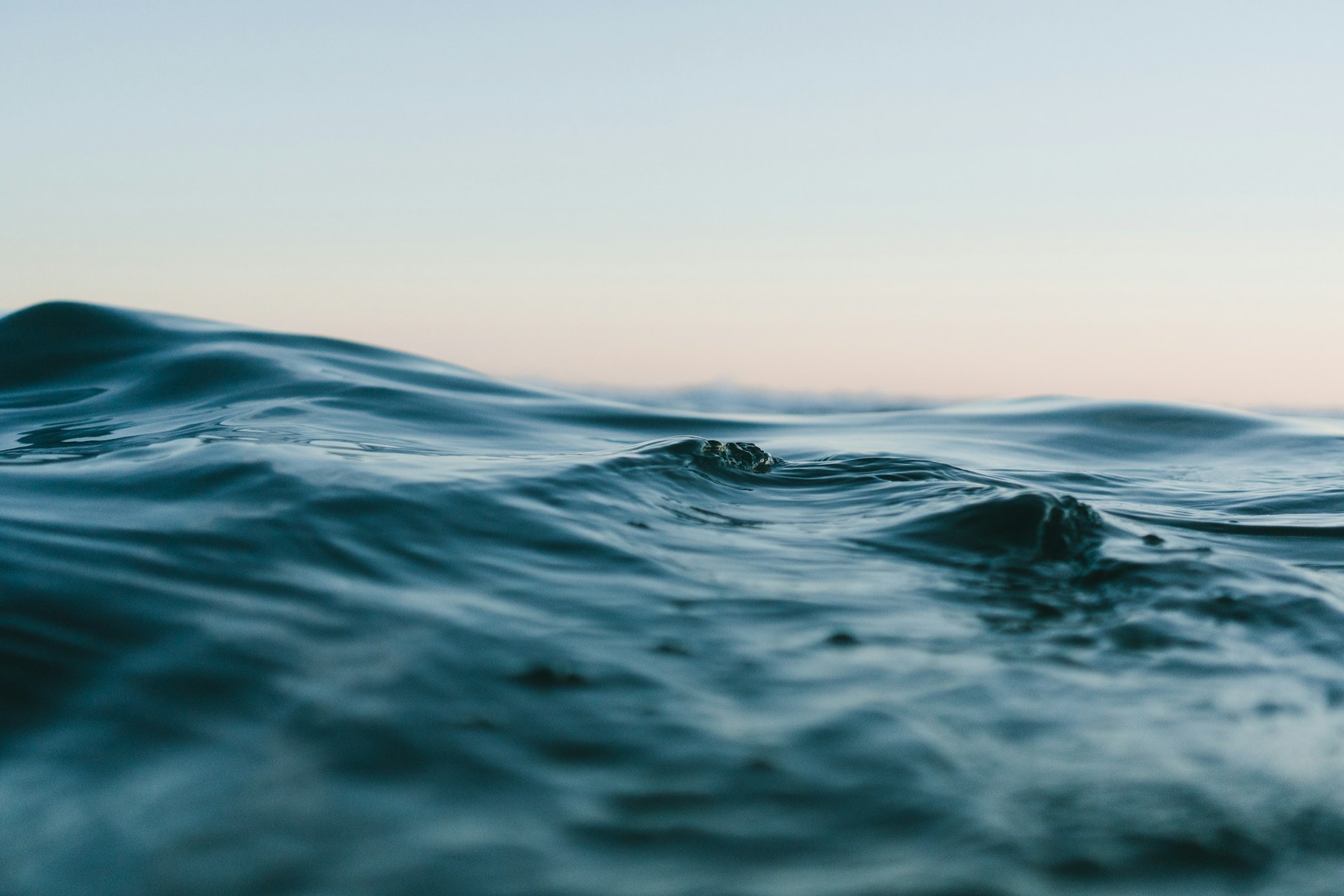
Arrive without a picture in mind
It is tempting to arrive at the water with an image already planned: a dramatic wave, a perfect horizon, the last orange light. Try giving the first ten minutes to looking instead. Notice where the water repeats itself and where the shore interrupts the pattern. The frame may be quieter than the one you expected.
Give the horizon a purpose
A horizon near the middle can feel still and balanced. Lower it to make room for weather; raise it when the texture of the water matters more. None of these positions is a rule. Make three versions from the same place, then ask which part of the scene each photograph invites you to spend time with.
Wait for one small change
Choose a frame and stay with it. A passing cloud can soften a bright rock. The wash of a wave can simplify a busy foreground. Rather than chasing every movement, wait for a single detail that makes the arrangement feel complete. On a phone, lock focus and exposure before waiting so the brightness does not drift.
Leave room in the edit
Back home, resist making every blue deeper and every shadow heavier. Start by setting the horizon straight and adjusting overall brightness. Compare your edit with the original at a small size. If the mood depends entirely on a strong effect, return to the picture and look for the quieter version.
Stay a little longer.